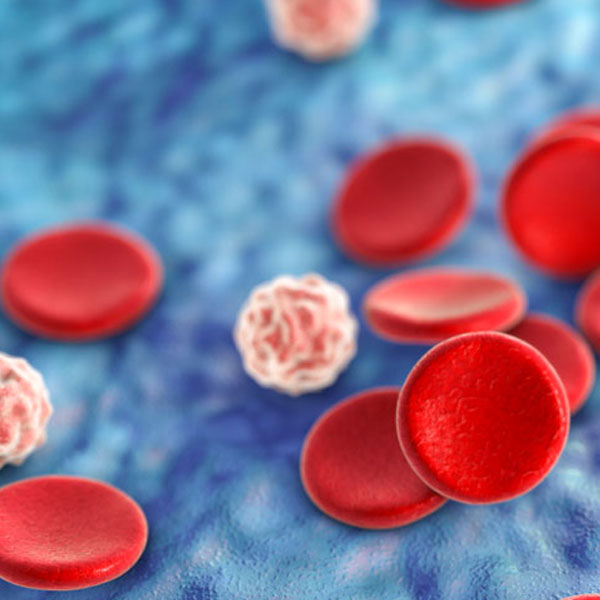
Haematology (also spelled Hematology) is the branch of medicine and biology that focuses on the study of blood, blood-forming organs, and blood disorders.
🩸 Key Areas of Haematology:
Blood Components:
Red blood cells (RBCs) – carry oxygen
White blood cells (WBCs) – fight infections
Platelets – help with blood clotting
Plasma – the fluid part of blood that carries cells and proteins
Blood-Forming Organs:
Bone marrow
Spleen
Lymph nodes
Haematologist:
A doctor who diagnoses and treats blood-related conditions and cancers.
🧪 Common Haematological Disorders:
Anaemia – low red blood cell count or hemoglobin
Leukemia – cancer of blood-forming tissues
Lymphoma – cancer of the lymphatic system
Hemophilia – a bleeding disorder due to lack of clotting factors
Thalassemia – genetic disorder affecting hemoglobin
Deep vein thrombosis (DVT) – blood clots in deep veins
🔬 What Haematologists Do:
Perform blood tests (e.g., complete blood count – CBC)
Diagnose blood cancers
Manage conditions like clotting disorders or anemia
Conduct bone marrow biopsies and transfusions